Renovations
How Much Does a Bathroom Remodel Cost in 2026
Bathroom remodel costs range from $4,000 to $30,000+. Here's what drives the price and how to build a realistic budget.
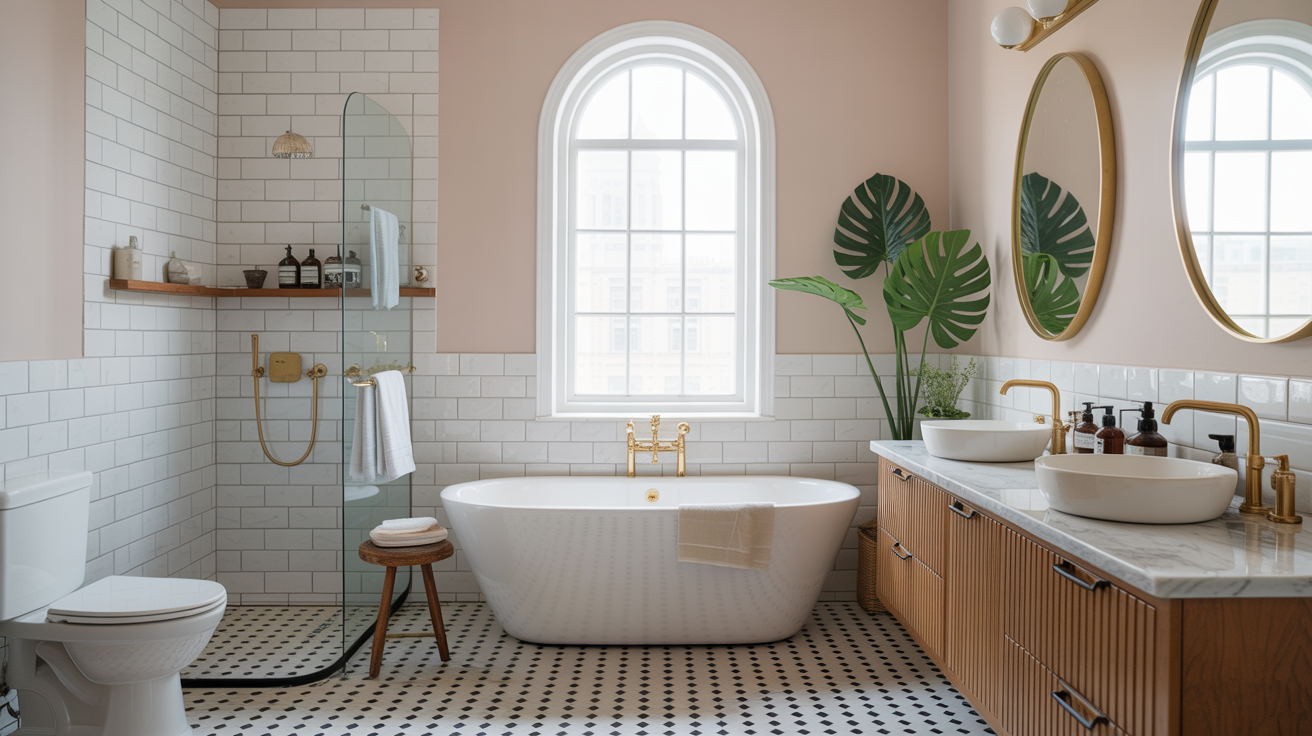
A full bathroom remodel runs $8,000 to $16,000 for most homeowners, though the range stretches from around $4,000 for a cosmetic refresh to well above $30,000 once you move plumbing or go high-end on finishes. What you'll actually spend depends on three things: scope, materials, and your local labor market.
What Drives Bathroom Remodel Cost
Labor is consistently the largest line item, usually 40–65% of the total project cost. Tile setters, plumbers, and electricians all bill separately in most markets, and their rates vary considerably by region. A licensed plumber in San Francisco charges more per hour than one in rural Tennessee, that's not a surprise, but it's a real gap that can shift your total by several thousand dollars.
Layout changes are the biggest cost multiplier. If your toilet, vanity, and shower stay where they are, you're only paying for demo, new finishes, and fixtures. The moment you relocate a drain or move a wall, you're looking at a plumber cutting concrete or a framer rebuilding a niche, and costs jump fast.
Material selection has an obvious impact too. Ceramic tile at $2/sq ft and porcelain at $12/sq ft both look great in a catalog; the difference shows up in your invoice.
Cosmetic vs. Gut Renovation
A cosmetic remodel, new paint, fixtures, lighting, and maybe a vanity swap, can come in under $5,000 if you DIY the easy parts. A gut renovation that strips the room to studs, replaces the subfloor, and installs a custom tile shower is a different project entirely. Before you plan your bathroom remodel step by step, decide honestly which category you're in.
Average Bathroom Remodel Cost by Scope
These ranges reflect 2026 national averages. Prices vary by region, project complexity, and material tier, treat them as a planning baseline, not a quote.
| Scope | Typical Total | What's Included |
|---|---|---|
| Small refresh | $2,500 – $5,000 | Paint, hardware, light fixture, toilet swap |
| Mid-range remodel | $8,000 – $16,000 | New tile, vanity, shower/tub surround, fixtures |
| Upscale renovation | $20,000 – $40,000+ | Custom tile, freestanding tub, frameless glass, layout changes |
A mid-range project on a standard 50 sq ft bathroom is where most full remodels land. That budget gets you solid tile work, a decent vanity, and updated plumbing fixtures without custom fabrication.
Cost Breakdown by Line Item
Here's where the money goes on a typical mid-range 50 sq ft bathroom remodel:
| Line Item | Low End | High End | Notes |
|---|---|---|---|
| Labor (all trades) | $3,500 | $8,000 | Tile setter, plumber, electrician, GC if needed |
| Tile (floor + walls) | $600 | $3,500 | Material only; $2–$15/sq ft installed range is wide |
| Vanity + sink | $300 | $3,000 | Stock box stores vs. custom cabinetry |
| Toilet | $150 | $900 | ADA-height one-piece models are the sweet spot |
| Tub or shower | $500 | $5,000+ | Alcove tub vs. custom tile shower with glass enclosure |
| Plumbing rough-in/fixtures | $400 | $2,500 | Higher if any drain relocation |
| Lighting + electrical | $200 | $1,200 | Exhaust fan upgrade often required by code |
| Permits | $100 | $500 | Required for plumbing/electrical work in most jurisdictions |
| Misc (backer board, cement, grout, caulk) | $200 | $600 | Easy to underestimate |
Total mid-range estimate: $6,000 – $25,200. Most projects cluster between $9,000 and $14,000 when you use contractor-grade fixtures and mid-tier tile.
Where Homeowners Most Often Overspend
Tile labor. Tile installation runs $7–$25 per square foot installed depending on complexity. Large-format tiles, herringbone patterns, and natural stone all cost more to set because they take longer and require more skill. If budget is tight, choose a simple grid layout in a standard 12×24 porcelain, you can still get a sharp result.
Shower glass. A frameless glass enclosure typically runs $900–$2,500 supplied and installed. It's the single upgrade that makes the biggest visual impact, but it's also cuttable. A clean semi-frameless slider at $500 looks fine in most bathrooms.
Hidden demo surprises. Rotted subfloor, mold behind tile, and outdated galvanized supply lines are common in bathrooms older than 25 years. Budget a 10–15% contingency on any gut remodel. Contractors who open walls in older homes find something unexpected more often than not.
DIY Savings
You can realistically handle some of a bathroom remodel yourself, demo, painting, vanity installation, mirror hanging, and accessory work are reasonable DIY territory in most states. Electrical and plumbing rough-in work typically requires a licensed tradesperson and a permit. Skipping permits to save money can create problems at resale.
How to Set a Realistic Bathroom Remodel Budget
Start with the scope, not the Pinterest board. Write down what's staying and what's moving. A non-negotiable list (broken tile, leaking valve, inadequate ventilation) goes first. Nice-to-haves get added only after the essentials are priced.
Get three quotes. Prices vary more than most homeowners expect, sometimes by 30–40% for the same scope. Ask each contractor to break out labor from materials so you can compare them honestly.
Understand what "supply and install" vs. "labor only" means on the quote. Some contractors include fixtures; others expect you to purchase them separately. Mismatched assumptions are the most common reason a project runs over budget before it starts.
For projects lasting more than two weeks, ask about payment schedules in the contract. A reasonable structure is roughly a third up front, a third at rough-in completion, and the rest at final walkthrough. Paying 100% upfront is a red flag regardless of how good the contractor seems.
To understand what the schedule looks like once work starts, see our bathroom remodel timeline guide.
Sticking to Your Bathroom Remodel Budget Mid-Project
Change orders are where bathroom remodel budgets fall apart. Once demo starts and walls are open, it's tempting to add a heated floor, swap the planned alcove tub for a walk-in shower, or upgrade the vanity to a custom piece. Each decision seems small on its own. Collectively, they're how a $12,000 project becomes $18,000.
The discipline that works: freeze the scope before the first tool swings. If you want to consider upgrades, build a short list of swaps before construction starts and price them out in advance. That way you're choosing between two known numbers rather than approving a change order on the fly while a contractor is standing in front of you with a demo'd wall.
Also track your spending category by category as invoices come in, not just the running total. If labor runs 20% over early on, you'll need to pull back elsewhere, and it's easier to adjust tile selection mid-order than to argue about it at final billing.
A simple spreadsheet with your target, committed spend, and invoiced-to-date is sufficient for most projects. You don't need project management software for a bathroom remodel, you need accurate numbers visible in one place.
Frequently Asked Questions
What is the average cost to renovate a bathroom?
For a full mid-range remodel of a standard full bath (around 50 sq ft), the national average lands between $10,000 and $15,000 in 2026. Primary bathrooms with a separate tub and shower, dual vanity, or high-end tile can run $20,000–$35,000. Small half-bath refreshes often come in under $5,000.
Does a bathroom remodel add value to a home?
Generally yes, though the return varies by scope. Zonda's 2026 Cost vs. Value report has tracked a midrange bathroom remodel recouping roughly 70–80% of its cost at resale nationally, the strongest return of any interior project in the report, while an upscale bathroom remodel recovers closer to 40–50%. An upscale remodel in a modest home tends to recover less because the renovation outpaces the neighborhood's price ceiling. Functional upgrades, proper ventilation, updated plumbing, and clean tile, tend to matter more to buyers than luxury finishes.
How much should I budget for a small bathroom remodel?
A 5×8 ft hall bath with a tub/shower combo can be remodeled competently for $7,000–$12,000 if you're keeping the layout and using mid-grade fixtures and tile. The floor and tub surround tile work alone will account for a significant portion of that.
Can I remodel a bathroom for $5,000?
Yes, with a focused scope. A $5,000 budget is enough for new flooring, a vanity replacement, toilet swap, updated light fixture and mirror, and a fresh coat of paint, if you do the demo and painting yourself and source fixtures from big-box stores. It won't cover a full tile shower rebuild or moving any plumbing.
When do I need a permit for a bathroom remodel?
Permits are required in most jurisdictions whenever the project involves moving or adding plumbing lines, adding or relocating electrical circuits, or structural work like removing a wall. Replacing a toilet, swapping fixtures on existing supply lines, or installing a new vanity on existing plumbing typically don't require permits, but local codes vary. Check with your city or county building department before starting, the fee is usually $100–$500 and the inspection is worth it.