Renovations
DIY Bathroom Remodel: What You Can and Can't Do Yourself
Know which bathroom remodel tasks are safe to DIY and which require a licensed pro. Avoid costly mistakes with this clear, code-conscious guide.
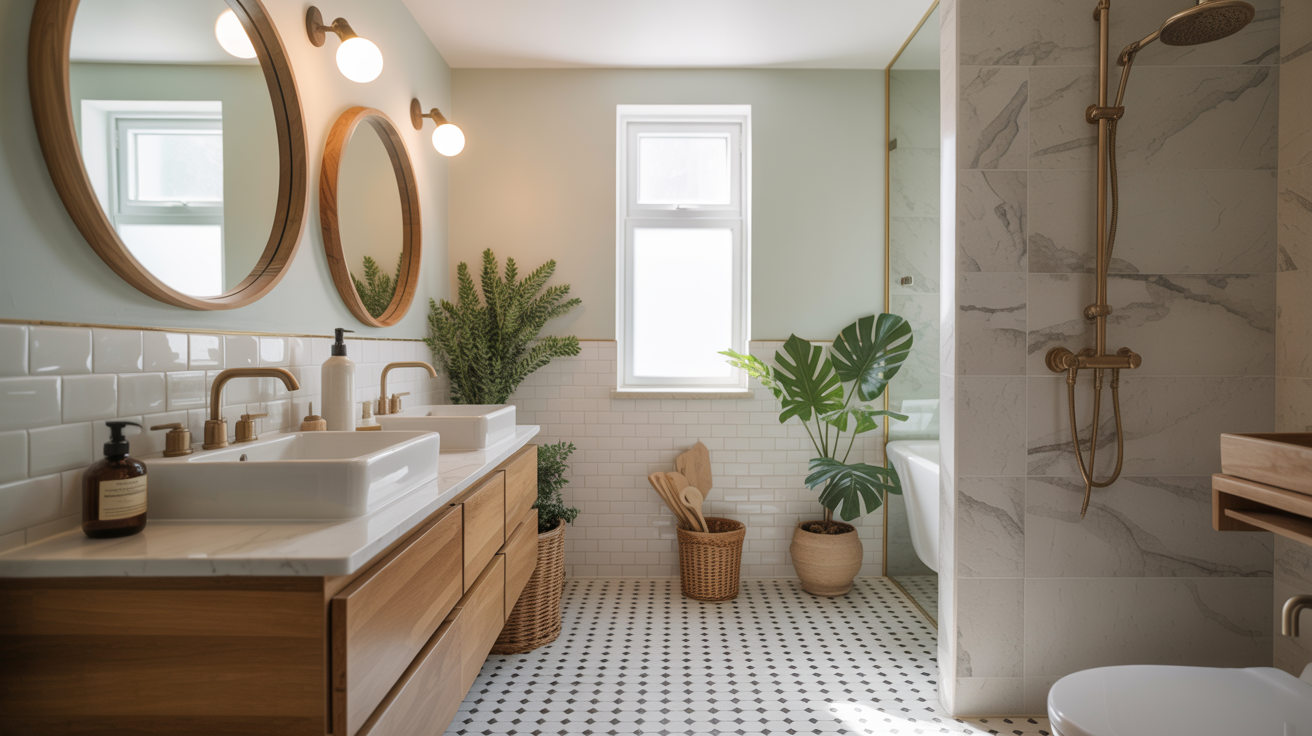
Most homeowners can handle a meaningful diy bathroom remodel without touching a single permit, paint, vanity swaps, lighting fixture replacements, and accessory upgrades are all fair game. Where people get into trouble is misjudging the line between cosmetic changes and work that legally requires a licensed contractor and a pulled permit.
Why the DIY Line Matters in a Bathroom
Bathrooms concentrate three trades, plumbing, electrical, and tile, in a small, wet space. That combination means mistakes can cause water damage inside walls, mold behind tile, or shock hazards near a circuit that was wired incorrectly. Beyond safety, unpermitted work on plumbing and electrical can kill a home sale: inspectors find it, and buyers walk or demand price reductions.
The good news is that plenty of meaningful work sits firmly on the DIY side. Knowing where that boundary falls lets you plan your bathroom remodel budget and scope accurately before you pick up a pry bar.
What "Permit Required" Actually Means
Permit thresholds vary by municipality, but as a general rule: any work that moves or adds plumbing supply or drain lines, alters the electrical panel or adds circuits, or changes load-bearing structure requires a permit and, in most jurisdictions, a licensed tradesperson to do the rough work. Some areas also require permits for shower pan replacements because waterproofing failure is a hidden structural risk.
Check your local building department's website before starting. Many post a one-page guide specifically for bathroom remodels. When in doubt, call, inspectors are often surprisingly helpful on the phone.
The DIY vs. Hire-a-Pro Breakdown
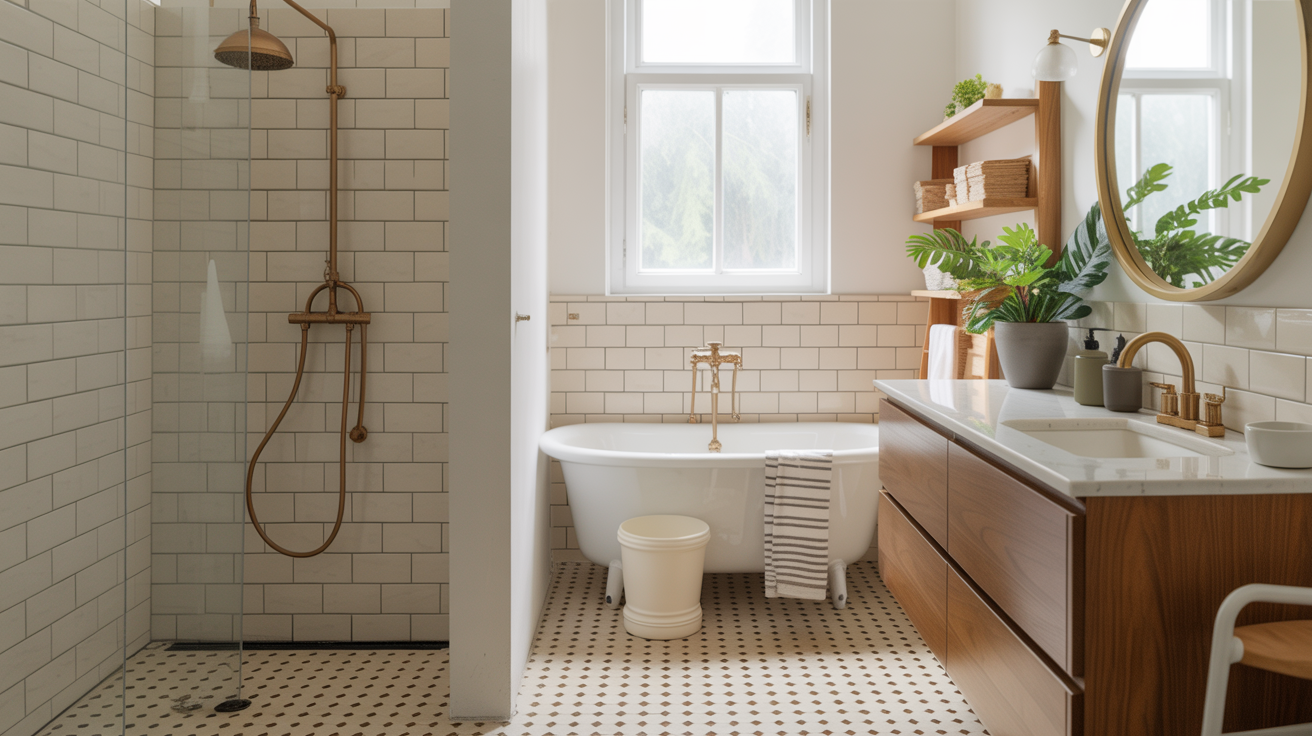
This table covers the most common bathroom remodel tasks. Skill levels are general estimates; your comfort with tools and prior experience shift the calculus.
| Task | DIY-Friendly? | Skill Level | Risk if Done Wrong |
|---|---|---|---|
| Paint walls and ceiling | Yes | Beginner | Low, peeling paint |
| Replace vanity (same footprint, existing supply/drain) | Yes | Intermediate | Low-medium, minor leak risk |
| Swap toilet (same rough-in) | Yes | Intermediate | Medium, wax ring leak |
| Replace light fixture (same box, GFCI circuit intact) | Yes | Intermediate | Medium, shock if power not off |
| Install towel bars, hooks, TP holders | Yes | Beginner | Very low |
| Re-caulk tub or shower | Yes | Beginner | Low, cosmetic only |
| Replace faucet (same holes, no supply line move) | Yes | Intermediate | Low-medium, minor leak risk |
| Install new tile over existing solid substrate | Yes (with research) | Advanced DIY | Medium, cracked tile, lippage |
| Move plumbing supply or drain lines | Hire a pro / permit needed | Licensed plumber | High, leaks, code violations |
| Add or move electrical circuits | Hire a pro / permit needed | Licensed electrician | High, fire, shock, failed inspection |
| Shower pan replacement or new shower waterproofing | Hire a pro / permit needed | Licensed or very experienced | Very high, hidden water damage, mold |
| Structural wall removal | Hire a pro / permit needed | Licensed contractor | Extreme, structural failure |
| Exhaust fan installation (new circuit) | Hire a pro / permit needed | Licensed electrician | High, fire risk, failed inspection |
| Exhaust fan replacement (same circuit, same box) | Often DIY | Intermediate | Low if power is confirmed off |
What Most Homeowners Can Tackle on Their Own
Paint and Fixtures
A fresh coat of paint is the highest-ROI diy bathroom renovation you can do. Use a mold-resistant, satin or semi-gloss formulation rated for high humidity. Cut in around the ceiling, vanity, and trim before rolling; two coats over a quality primer cover even dark accent walls cleanly.
Vanity swaps are nearly as straightforward, provided the new unit fits the existing footprint and you aren't relocating supply lines or the drain. Shut off the supply valves, disconnect the P-trap, and disconnect the supply lines before pulling the old unit. Set the new one, reconnect everything hand-tight then a quarter-turn with pliers, and check for drips before closing the cabinet doors.
Faucet replacements follow the same logic, same number of holes, same supply line positions, and you stay in DIY territory. A basin wrench (about $20 at any hardware store) makes removing the old mounting nuts from below the sink far less frustrating.
Tile Work
Tiling is achievable for a careful DIY-er, but it has more failure modes than people expect. The substrate has to be solid and flat, cement board, not drywall, behind a shower or tub surround. Lippage (uneven tile edges) is a common first-timer problem fixed by consistent spacers and checking with a level every few rows. Grouting and sealing are learnable skills, but the prep beneath the tile determines whether the finished surface lasts 5 years or 25.
Limit your first tiling project to a floor or a backsplash wall rather than a full shower enclosure. A shower surround that fails waterproofing can rot framing in months without obvious signs until the wall flexes underfoot.
Accessories and Finishing Details
Towel bars, robe hooks, toilet paper holders, and mirror replacements are genuinely beginner projects. Use toggle anchors or find studs with a stud finder; the mounting hardware on most accessories will specify the weight rating, and a standard towel bar sees maybe 20 lbs of dynamic load.
Medicine cabinet swaps are usually DIY-friendly too, as long as the new unit fits the rough opening and you aren't cutting into a wall with wiring you haven't mapped first.
Where to Stop and Call a Pro
Plumbing Rough Work
Moving a toilet means moving the drain flange, which means cutting into the subfloor and possibly into a joist bay. That work requires a permit in virtually every jurisdiction and a licensed plumber to do the drain relocation. Running new supply lines through finished walls carries similar code requirements.
The distinction that trips up a lot of DIY-ers: replacing a toilet in place (same rough-in distance) is DIY-friendly. Moving it three feet to the left is not. The same rule applies to sinks and showers.
Electrical
Replacing a light fixture on an existing circuit and existing electrical box is within reach for a confident DIYer who respects the lockout/tagout step, circuit off, then verify with a non-contact tester before touching any wire. Adding a new circuit, running a wire through walls to a new outlet, or installing an exhaust fan that needs its own home run back to the panel is work for a licensed electrician. Most local codes require it, and the permit process includes an inspection to verify it was done correctly.
The National Electrical Code requires GFCI protection in bathrooms and anywhere else water is regularly present, and the specific enforcement details vary by local amendments. Don't assume your bathroom's existing wiring already meets current code just because it passed inspection 20 years ago.
Waterproofing and Shower Pans
This is the highest-consequence DIY mistake in a bathroom remodel. A liner or membrane failure behind tile is invisible until drywall is saturated and mold has colonized the wall cavity. Prefabricated shower bases are more forgiving for DIY-ers than mud-bed or tile-over-foam-pan systems because the waterproofing is factory-built into the unit. If you're setting a custom-tiled shower floor, have a licensed tile contractor or experienced remodeler handle the waterproofing layer.
Some jurisdictions also require a shower pan liner inspection before the floor is tiled. A permit pulled for shower work catches this requirement; work done without a permit skips the inspection and leaves the risk entirely on the homeowner.
Planning a Phased DIY Remodel
You don't have to do everything at once. If you're working with limited square footage, locking down a workable small bathroom layout before demo gives you a fixture map that drives every rough plumbing and electrical decision downstream. A practical sequence for a budget-conscious diy bathroom remodel:
- Demo what you're replacing (tile removal, vanity out, old fixtures gone).
- Handle any rough plumbing or electrical first, if you're hiring pros, this is their window.
- Install cement board or substrate before any new tile.
- Tile floors and walls.
- Set fixtures: toilet, vanity, faucets, shower valve.
- Paint last, after drywall repairs are done and fixtures are roughed in.
- Install accessories, mirrors, and trim.
A detailed week-by-week breakdown of a bathroom remodel timeline can help you sequence contractor and DIY tasks so you're not waiting on a plumber with demo'd walls and no shower.
The earlier you plan your remodel scope in writing, the better you'll be at separating the DIY tasks from the contracted ones before costs are locked in.
Frequently Asked Questions
Do I need a permit to replace a toilet?
In most areas, replacing a toilet in the same location with the same rough-in distance doesn't require a permit, it's a like-for-like fixture swap. Moving the toilet or changing the drain location almost always requires a permit and a licensed plumber. Confirm with your local building department before starting.
Can I legally do my own plumbing in a bathroom remodel?
Owner-builder exemptions exist in many states that allow homeowners to do their own plumbing on their primary residence, but these vary significantly. In some jurisdictions you can pull your own permit and do the work; in others, the rough plumbing must be done by a licensed plumber. The permit process in either case usually includes a rough-in inspection before walls are closed.
What's the biggest mistake DIY-ers make on bathroom renovations?
Skipping the substrate prep. Tiling over a soft, unlevel, or damp substrate leads to cracked grout, popped tiles, and eventually water intrusion. The tile itself is often the smallest cost in a tiling project; the substrate work is where quality and longevity are determined.
When should I hire a contractor instead of subcontracting trades myself?
If your remodel involves coordinating a plumber, electrician, and tile setter in a tight sequence, a general contractor's scheduling overhead often pays for itself. If you're only bringing in one trade, hiring that licensed pro directly is usually more cost-effective. Acting as your own GC works well for people who can be on-site regularly and communicate clearly with subcontractors.
How do I find out what requires a permit in my city?
Search "[your city or county] building permit bathroom remodel", most municipalities post permit threshold guides online, and many have online portals where you can submit permit applications. Alternatively, call the building department directly. Inspectors and permit clerks generally give straightforward answers to scope questions without requiring you to submit paperwork first.