Renovations
Do You Need a Permit for a Bathroom Remodel
Find out when a bathroom remodel permit is required, what work is typically exempt, and what happens if you skip the permit process.

The short answer: it depends on what you're doing. Swapping a faucet or repainting the walls almost never requires a permit. Moving plumbing, adding an electrical circuit, or shifting a load-bearing wall almost always does. Knowing which side of that line your project falls on keeps you out of trouble at resale time and helps you avoid work that has to be torn out and redone.
This guide covers the main categories of bathroom work, what inspectors typically look for, and how the permit process actually works in most jurisdictions.
At a Glance
- Plumbing, electrical, and structural changes almost always need a permit; cosmetic and like-for-like swaps usually do not.
- Most U.S. jurisdictions build their local code on the International Residential Code, then layer on local amendments, so specifics vary by city and county.
- A small bathroom permit typically costs $75 to $300; processing can range from same-day to several weeks depending on the department.
- Never close up a wall before the required inspection signs off on that stage; reopening a finished wall is far more expensive than waiting a day for an inspector.
- Skipping a required permit is a resale and insurance risk more than a construction risk: the work usually holds up fine, but the paperwork gap does not.
- Homeowners can pull their own permits in most states, but some jurisdictions still require a licensed trade to perform the electrical or plumbing work itself.
What Triggers a Permit Requirement
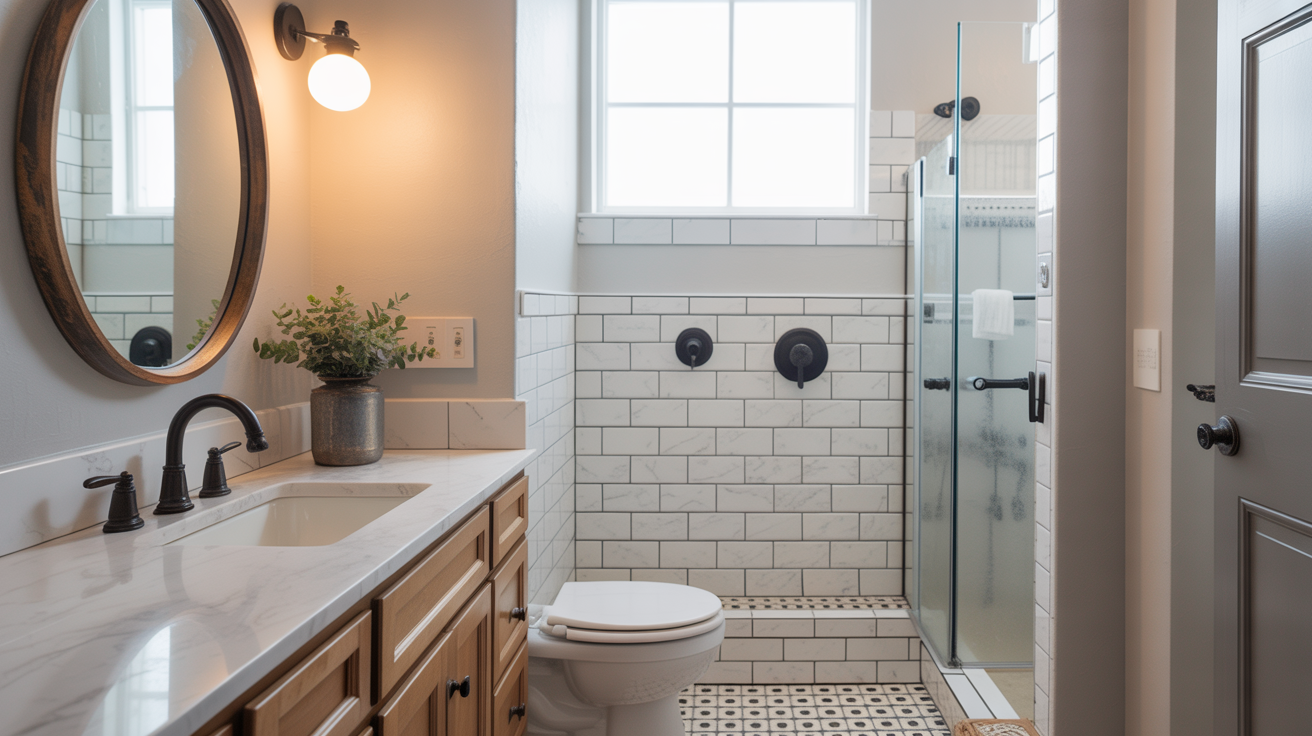
Permits exist so a licensed inspector can verify that work affecting safety, structural integrity, or utility systems meets local building codes. Most jurisdictions follow the International Residential Code (IRC) as a baseline; the code is in use or adopted in 49 states plus the District of Columbia, Guam, Puerto Rico, and the U.S. Virgin Islands according to the International Code Council, but every municipality layers on its own amendments, so the specifics vary.
Broadly speaking, a bathroom renovation permit is required any time your project touches one of these three areas:
Plumbing Changes
Any modification to the supply lines, drain lines, or vent stack generally requires a plumbing permit. This includes moving a toilet, adding a new showerhead location, relocating the sink drain, or roughing in a new wet room from scratch. Replacing a toilet flapper or tightening supply connections is maintenance, not a permitted alteration.
The line gets a little blurry with fixture swaps. In most areas you can replace a toilet with a new toilet in the same location without a permit, as long as the rough-in distance matches and you're not touching the drain stack. Check with your local building department if you're unsure, because some jurisdictions treat even direct replacements as permitted work.
Electrical Work
Adding a GFCI outlet, running a new circuit for a heated floor, or installing a ventilation fan that requires new wiring will typically require an electrical permit. So will any work on the service panel that feeds the bathroom. Bathrooms have carried mandatory ground-fault protection under the National Electrical Code since 1975, and current code extends GFCI protection to any 125-volt receptacle within 6 feet of a tub or shower, per the code's summary on Wikipedia. That is precisely the kind of safety-driven rule an inspector is checking for on an electrical permit.
Pure fixture swaps on an existing circuit (swapping a light fixture for another of the same type, replacing a fan with a fan of the same amperage) are often exempt, but the specifics depend on your local code.
Structural Modifications
Removing a wall, moving a doorway, or cutting a new window opening all touch the structure of the house. These require both a building permit and, depending on the scope, an engineer's stamp if you're removing a load-bearing member.
Most standard bathroom remodels don't involve structural changes, but if your plan includes opening up the space by removing a wall between a closet and the bath, or combining two smaller bathrooms, this category applies.
Work That Usually Does Not Require a Permit
Cosmetic and like-for-like replacements rarely trigger permit requirements. A rough list of what's typically exempt:
- Painting, wallpaper, and tile replacement on existing surfaces (as long as you're not opening the wall cavity)
- Replacing a vanity in the same footprint without moving the plumbing connections
- Swapping a toilet in the same location and rough-in distance
- Installing a new mirror, medicine cabinet (surface-mounted), or towel bars
- Replacing a faucet or showerhead on existing supply lines
- Caulking, regrouting, or refinishing a tub
None of this is universal. A few jurisdictions require permits for nearly any contractor-performed work above a certain dollar threshold, regardless of scope. That's one more reason to check locally before assuming you're in the clear.
How to Pull a Bathroom Remodel Permit
If your project does require a bathroom renovation permit, the process follows a predictable pattern in most places.
Step 1: Contact Your Local Building Department
Start with a phone call or online inquiry to your city or county building department. Describe the scope of your project and ask which permits apply. Some departments have simple lookup tools on their websites; others require you to describe the work to a permit technician.
Ask specifically about:
- Which permit types you need (building, plumbing, electrical, or some combination)
- Whether you need stamped drawings or a site plan
- Current fees and processing times
- Whether your municipality allows homeowners to pull their own permits or requires a licensed contractor
Step 2: Submit Your Application
Applications typically require a description of work, basic dimensions of the space, and sometimes a simple floor plan showing where fixtures are located before and after the project. For anything involving structural changes, a licensed engineer may need to sign off on the plans before the permit is issued.
Fees vary widely. A small bathroom permit in a mid-size city might run $75 to $300. Larger projects with multiple permit types can cost more.
Step 3: Schedule Inspections
Most permits require one or more inspections at defined stages. A plumbing permit might require a rough-in inspection before the walls are closed, followed by a final inspection once fixtures are installed. Electrical permits usually require at minimum a rough-in and a final.
The key rule: do not close up walls or hide work before the inspector signs off on that stage. If you do, you'll be asked to open the wall so the inspector can see what's behind it.
Step 4: Get the Final Sign-Off
Once all inspections pass, the permit is closed out. Some jurisdictions issue a certificate of occupancy or a final inspection record. Keep this paperwork with your home records.
Permit Type, Typical Trigger, and Typical Fee
The specifics vary by jurisdiction, but this is the general shape of what to expect for a standard single-bathroom remodel.
| Permit Type | Typical Trigger | Typical Fee Range | Typical Inspections |
|---|---|---|---|
| Plumbing | Moving a toilet, sink, or shower drain; new supply lines | $50 to $200 | Rough-in, final |
| Electrical | New circuit, GFCI outlet, wired-in fan or heated floor | $50 to $200 | Rough-in, final |
| Building | Structural changes, new window or door opening | $100 to $500+ | Framing, insulation, final |
| Combined/general remodel | Multiple trades on one project | $150 to $600+ | Varies by scope |
| No permit needed | Cosmetic, like-for-like, non-structural | $0 | None |
What Happens If You Skip the Permit
Skipping a required bathroom remodel permit is a gamble that often catches up with homeowners at the worst possible moment: resale.
When a buyer's inspector notices work that looks unpermitted (new wiring with no permit on record, a toilet in a location that differs from the original plans), it becomes a negotiating point, and sometimes a deal-breaker. The seller is typically responsible for either pulling a retroactive permit (which may require opening finished walls for inspection) or providing a credit to the buyer.
Beyond resale, unpermitted work can create insurance headaches. If a fire or water event is traced to unpermitted electrical or plumbing, the insurer may dispute the claim.
The risk scales with the scope. Nobody will flag an unpermitted faucet swap. A full bathroom addition built without permits is a different matter.
If you're planning a larger project, it's worth reading through how to plan a bathroom remodel step by step before you start so permit timing fits into your overall schedule, and checking how much a bathroom remodel costs in 2026 to budget for permit fees and any related contractor requirements in your area.
Permits and DIY Work
Homeowners can pull permits for their own homes in most U.S. jurisdictions. What you generally cannot do is pull a permit for work you plan to hire out, then have an unlicensed person do the work. Licensed contractors are expected to pull their own permits in most states.
Some municipalities require that electrical or plumbing work be performed by a licensed tradesperson regardless of who pulls the permit. If you're doing the work yourself, confirm whether a licensed plumber or electrician needs to be involved before you commit to the DIY path. The guide on what you can and can't do yourself in a bathroom remodel walks through the typical trade license requirements by task type.
A Few Things That Catch Homeowners Off Guard
A handful of details trip up first-time permit applicants more than anything else in the process.
The permit expires if work stalls. Most jurisdictions issue a permit with an active-work clock attached, often 6 to 12 months. If inspections aren't requested within that window, the permit can lapse and need to be reapplied for, sometimes at current fees rather than the fees you originally paid.
A permit does not require a licensed contractor. Pulling the permit and doing the work are two separate questions. As a homeowner, you can usually do both yourself for your own primary residence, but the moment you hire someone, most jurisdictions expect that person to be licensed for the trade involved.
Permit history is public record. Anyone, including a prospective buyer's agent, can typically request a property's permit history from the building department. There's no hiding a gap between what was built and what was permitted once someone goes looking.
Frequently Asked Questions
Does replacing a toilet require a permit?
In most jurisdictions, replacing a toilet with a new one in the same location and rough-in distance does not require a permit. If you're moving the toilet, even a few inches, you're modifying the drain line, which typically does require a plumbing permit.
Can I remodel my bathroom without a permit if I'm doing the work myself?
You can legally pull your own permit as a homeowner in most U.S. municipalities. What you cannot do is simply skip the permit if the work type requires one. Doing permit-required work without a permit carries risk at resale and may not be covered by your homeowner's insurance.
How long does it take to get a bathroom permit?
Processing times vary a lot by jurisdiction. Some building departments issue simple permits over the counter in the same day. Others take two to four weeks for plan review. For projects that require stamped drawings, add time for the engineering process. Budget for at least two to three weeks if you've never pulled a permit in your municipality before.
Does adding a bathroom exhaust fan require a permit?
A like-for-like fan replacement in an existing switch-controlled circuit usually doesn't require a permit. Installing a new fan that requires new wiring, a new circuit, or a new duct penetration through an exterior wall generally does. Humidity-sensing fans that need a dedicated switch may also fall into the permitted category in some jurisdictions.
What is a retroactive permit, and can I get one?
A retroactive (or "after-the-fact") permit allows you to legalize work that was done without the required permits. The process usually requires an inspection of the finished work, and inspectors may require you to open finished surfaces to verify what's behind them. Not all jurisdictions offer retroactive permits, and the fees are often higher than a standard permit. If you're buying a home with unpermitted work, ask a local contractor or building department about your options before closing.
Will pulling a permit make my project take longer?
It adds time, but usually less than people expect. Plan review for a straightforward bathroom permit often takes a few days to two weeks, and scheduling an inspection once work is ready typically takes another day or two. Compare that to the alternative: unpermitted work discovered at resale can add months of retroactive inspection and repair before a sale closes.
Do I need a permit to install a heated bathroom floor?
Usually yes, because electric radiant floor systems require a dedicated circuit and thermostat wiring, which falls under electrical permit rules in most jurisdictions. The mat installation itself is not typically permitted work, but the electrical connection is. Confirm with your building department before the tile goes down, since inspectors generally need to see the wiring before it's covered.