Renovations
How to Remodel a Bathroom on a Budget
A practical guide to a bathroom remodel on a budget: where to cut costs, what to keep, and which DIY tasks actually save money.
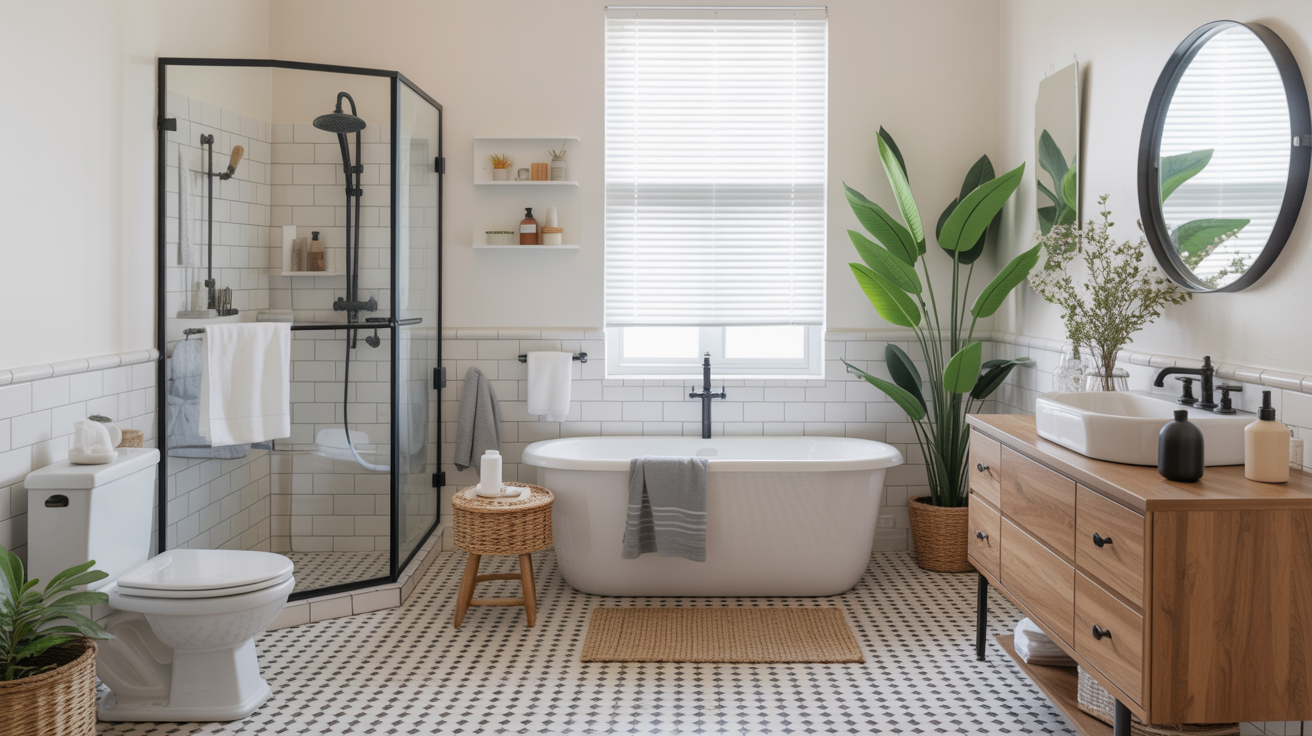
A full bathroom renovation can run anywhere from $5,000 to $25,000 or more, depending on how much you change and who you hire. That number stops a lot of people from starting. The good news: a budget bathroom makeover does not have to mean cutting corners on everything. It means being strategic about where you spend and where you save.
Most of the cost in any bathroom remodel comes from three places: moving plumbing, replacing large surfaces like tile, and hiring labor. If you can avoid or minimize those three categories, you can pull off a genuinely fresh, functional bathroom for a fraction of the usual price.
At a Glance
- Full remodels run $5,000 to $25,000+; a purely cosmetic refresh can land under $1,000.
- Three cost drivers dominate every budget: moving plumbing, replacing large surfaces, and labor. Avoid the first and you save the most.
- Keeping the toilet, vanity, and shower in their current footprint avoids $500 to $1,500 in relocation costs alone.
- Paint, hardware, and lighting swaps return the most visual impact per dollar and can be done in a weekend.
- Refinishing a tub ($300 to $600) or re-grouting existing tile ($50 to $80) usually beats full replacement.
- Set aside a 10% to 15% contingency before you buy a single tile or fixture.
Set a Realistic Budget Before You Buy Anything
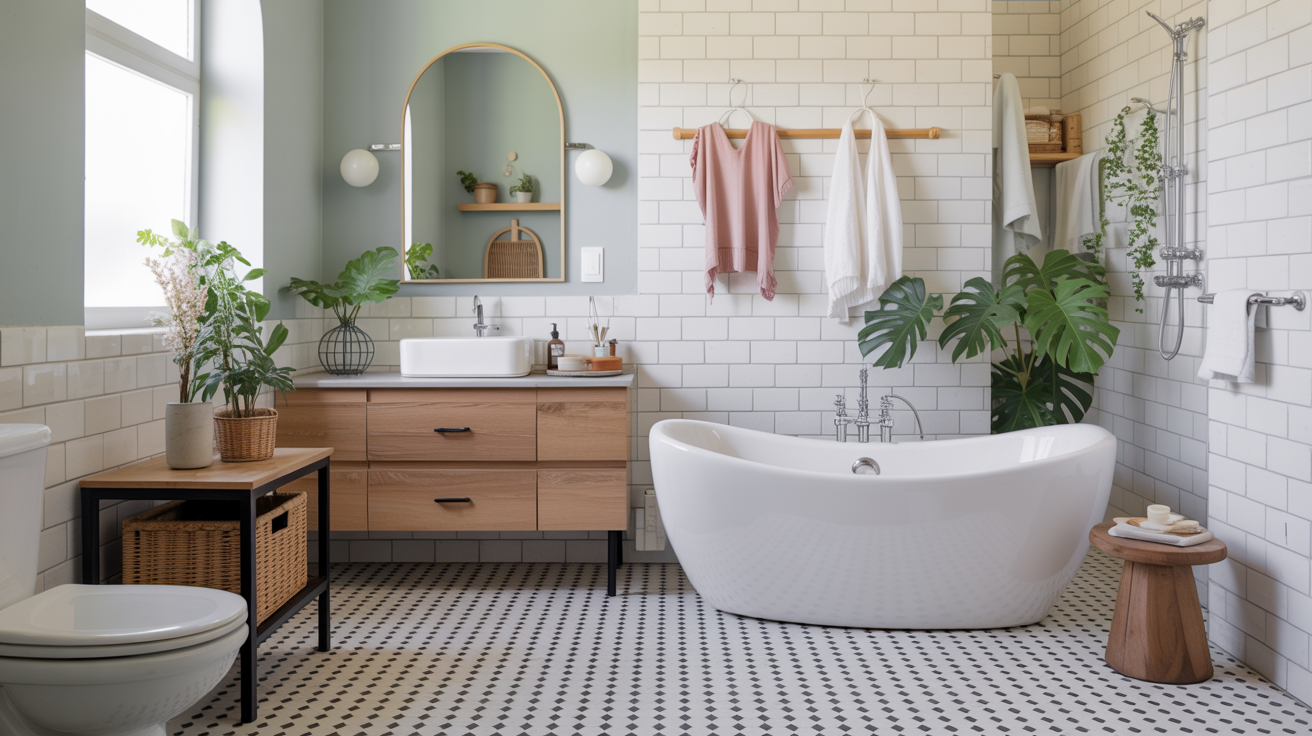
The most common budget mistake is buying materials before you know your total number. A new vanity looks like a deal at $350 until you realize installation adds $200, a new faucet costs another $120, and the plumber charges $150 to swap the supply lines.
Before you pick a single tile or fixture, write down every line item:
- Demo and disposal (if you're doing it yourself, factor in dumpster rental: roughly $200 to $400 for a one-week bin)
- Permits (minor cosmetic work rarely needs one; replacing fixtures or moving walls usually does; check with your local building department)
- Materials (tile, vanity, toilet, lighting, paint, hardware, caulk, grout)
- Labor (plumber, electrician, tile setter, general contractor)
- Contingency (10% to 15% of your total, set aside for surprises inside the wall)
For a small bathroom (around 40 to 60 square feet), a budget of $2,000 to $4,000 is achievable if you do most of the cosmetic work yourself and avoid relocating any pipes. A mid-range update that includes a new toilet, vanity, and partial tile work typically lands between $4,000 and $8,000 with a mix of DIY and hired labor.
Here's a worked example for a $4,000 budget on a small bathroom, split across the categories above:
| Line item | Typical share | Dollar amount | Notes |
|---|---|---|---|
| Demo and disposal | 5% | $200 | Self-hauled to a dumpster bin |
| Materials (tile, vanity, toilet, hardware, paint) | 45% | $1,800 | Biggest lever for savings; buy on sale |
| Labor (plumber, electrician spot work) | 30% | $1,200 | Supply-line swaps and GFCI checks only |
| Permits | 3% | $120 | Fixture swap, no wall moves |
| Contingency | 17% | $680 | Held back, not pre-spent |
For a deeper look at what different scopes cost, see how much does a bathroom remodel cost in 2026.
Where to Cut Costs Without Cutting Quality
Keep Plumbing Where It Is
Moving a drain or a vent stack is expensive. A plumber may charge $500 to $1,500 just to relocate a toilet 12 inches, and that figure does not include opening the floor, patching concrete, or any finish work. The cheapest bathroom remodel is one where the toilet, vanity, and shower stay in the same positions they occupy today.
Work with your existing layout. If the toilet is centered on the far wall, design around it. If the vanity sits to the left of the door, choose a replacement that fits the same footprint. This single decision can save you thousands.
Choose Cosmetic Over Structural Changes
Cosmetic changes give you the biggest visual return for the least money. Repainting walls, swapping light fixtures, replacing a mirror, and updating cabinet hardware can all be done in a weekend for under $300 total and make a room look years newer.
Structural changes, by contrast, tend to multiply in cost: opening a wall to add a window means framing, drywall, exterior work, possibly insulation, and permits. Save structural projects for a future renovation when budget allows.
Buy Materials During Sales and Use Surplus
Tile goes on sale regularly, especially at home improvement stores at the end of a season. Buying closeout tile can cut your tile budget by 30% to 50%, though you need to buy all you need at once since the lot will not be restocked. For a typical 5-foot by 3-foot shower surround (roughly 100 to 110 square feet including waste), this matters.
Habitat for Humanity ReStore locations carry donated, often lightly used vanities, mirrors, and faucets at deep discounts, with sales funding local Habitat home builds. A vanity in good condition that retails for $600 might cost $80 at a ReStore. Inventory turns over constantly and varies by location, so it takes some hunting, but the savings are real.
Budget Updates That Deliver Visible Results
Paint Is the Highest-Return Task You Can Do
A gallon of bathroom-rated paint costs $30 to $50, and a small bathroom takes one to two gallons. Proper prep matters: wipe down walls with a degreaser, let them dry completely, tape trim carefully, and use a paint formulated for high-humidity spaces. Satin or semi-gloss sheens hold up better in bathrooms than flat finishes.
Light, cool neutrals tend to read as clean and spacious. Soft whites, pale grays, and muted sage tones work in most bathroom styles without dating quickly. You can go darker on a single accent wall if the room has a window or strong overhead lighting.
Swap Hardware and Fixtures for Immediate Impact
Towel bars, toilet paper holders, and drawer pulls are easy replacements that take under an hour each. Matching sets in a consistent finish (brushed nickel, matte black, oil-rubbed bronze) pull a bathroom together without a full renovation.
Faucets are a slightly larger project. Replacing a bathroom sink faucet yourself takes about 30 minutes and a basin wrench. New faucets range from $40 to $200, and most come with installation instructions. Avoid buying the cheapest option if you plan to keep it for five or more years; mid-range faucets in the $80 to $130 range tend to hold up better. Look for the WaterSense label when you shop: WaterSense-certified faucets and showerheads meet EPA efficiency criteria without sacrificing pressure, and lower water use translates directly into a smaller utility bill over the life of the fixture.
Refinish Instead of Replace
Refinishing a bathtub costs $300 to $600 for a professional job. Replacing a tub, by contrast, can run $800 to $2,500 for the unit alone, plus demolition, plumbing adjustments, and surround repair. If your existing tub is structurally sound but stained or discolored, refinishing is a legitimate save.
The same logic applies to tile. If the grout is dark and stained but the tile itself is in good shape, re-grouting (removing old grout with a grout saw, then applying fresh grout) can make a decade-old floor look nearly new. A weekend project with a $50 to $80 materials cost. Our grout calculator can help you figure out how much grout to buy for the square footage you're covering, so you're not overbuying or making a second trip to the store.
A vanity in poor cosmetic shape but solid construction can often be painted with a bonding primer and cabinet-grade paint for under $60 in materials, versus $300 to $800 for a replacement unit.
Know Which Work to DIY and Which to Hire Out
Doing your own demo, painting, hardware swaps, and basic tile work saves real money. But some tasks carry enough risk to health, safety, or resale value that hiring a licensed pro is worth the cost.
Electrical work in wet zones is one of them. GFCI outlets within 6 feet of a water source are required by code in most jurisdictions, a requirement that has been part of the National Electrical Code since 1975. A GFCI trips within milliseconds of detecting a current leak, well before it reaches a dangerous level, which is why inspectors check for it specifically in bathrooms. Improper wiring here is both a fire and inspection risk. A licensed electrician can add or move a circuit for $200 to $500, which is money well spent.
Plumbing that involves drain lines, vent stacks, or gas connections is another. Supply line swaps (like replacing a shutoff valve or connecting a new faucet) are manageable DIY tasks, but anything that opens a drain or vent is best left to a plumber. A common budget mistake here: skipping the permit on a swap that technically needs one, then discovering it at resale when a home inspector flags unpermitted work. Check with your local building department before you start, not after.
For a clear breakdown of what's reasonable to tackle yourself versus what typically needs a pro, see DIY bathroom remodel: what you can and can't do yourself.
If you want to map out the full sequence of tasks before spending anything, how to plan a bathroom remodel step by step walks through the decision order from first measurement to final punch list.
Frequently Asked Questions
How much does a cheap bathroom remodel actually cost?
A purely cosmetic update (paint, hardware, mirror, light fixture) can run $300 to $800 in materials if you do the work yourself. A more substantial budget bathroom makeover that includes a new vanity, toilet, and some tile work typically costs $2,500 to $5,000 with a mix of DIY and hired labor. The total depends almost entirely on whether you move any plumbing and how much tile you replace.
Can I remodel a bathroom for under $1,000?
Yes, but it requires sticking to cosmetic changes. Paint, hardware, a new light fixture, a mirror, and fresh caulk can refresh a bathroom significantly for $500 to $900. If your toilet or vanity needs replacing, that budget gets tight fast, since even mid-grade toilets run $200 to $500 and vanities start at $150.
Is it worth refinishing a bathtub instead of replacing it?
For most people, yes. A refinished tub lasts 10 to 15 years with proper care, costs a fraction of replacement, and avoids the demolition mess. The finish is more vulnerable to abrasives and dropped objects than original porcelain or acrylic, so it needs gentler cleaning products. If the tub is cracked through or the structure is compromised, replacement is the right call. Otherwise, refinishing is a solid save.
How do I save money on bathroom tile without it looking cheap?
Buy a simple, neutral field tile in a larger format (12x24 inches or 12x12 inches) and use it on most surfaces. Larger tiles have fewer grout lines, which reads as cleaner and more modern. Save a more interesting or pricier tile for one accent area, like a niche or a single wall. This approach stretches your tile budget while still giving the room some visual interest.
What should I not cut costs on during a bathroom remodel?
Waterproofing behind the shower is not a place to save. Skipping or underinvesting in a shower membrane, like a peel-and-stick waterproofing membrane behind wall tile, leads to water damage inside the wall that can cost thousands to repair. Shower floor slope matters too: the floor should pitch 1/4 inch per foot toward the drain. Get those fundamentals right before worrying about which tile to buy.
Should I finance a budget bathroom remodel or pay cash?
If you're already keeping the project under $4,000 by doing most of the labor yourself, paying cash out of savings usually makes more sense than financing. Store credit cards and home improvement financing plans often carry deferred-interest terms that turn expensive if the balance isn't paid off inside the promotional window, sometimes 12 to 18 months. Financing starts to make sense at larger scopes, such as a full gut renovation, where a home equity line of credit typically carries a lower rate than a personal loan or store card.
How do I avoid scope creep once the project starts?
Write your task list and budget down before demo day, and treat anything not on that list as a separate future project rather than an add-on. Opening a wall often reveals something else that looks like it needs fixing, old wiring, minor water staining, a soft spot in subfloor, and it's tempting to fix all of it while the wall is already open. Set a firm rule: only address issues that affect safety or function now (active leaks, exposed wiring, rot), and note the rest for later.