Small Bathrooms
Shower Ideas for Small Bathrooms
Find practical small bathroom shower ideas, from corner units to walk-in designs, with tile tips, fixture choices, and dimensions that actually fit.
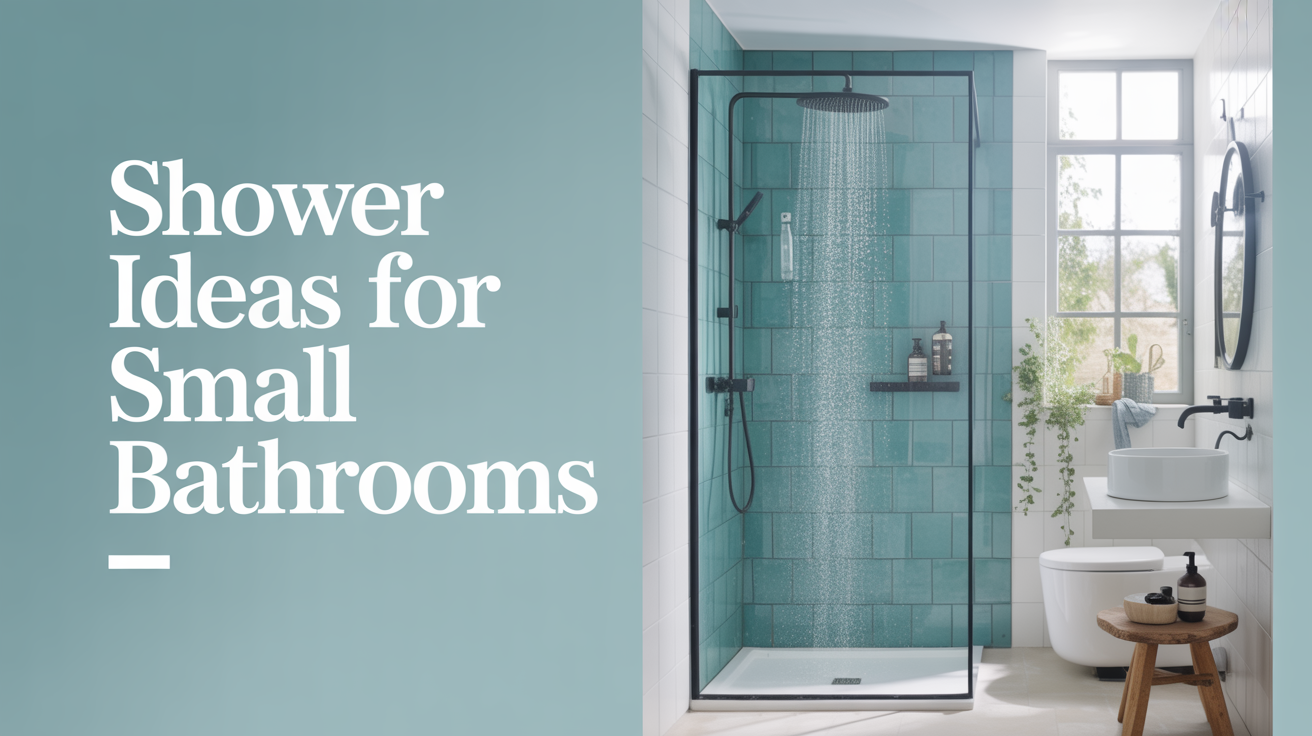
A small bathroom does not have to mean a cramped shower. With the right configuration, a few smart tile choices, and fixtures scaled to the space, a 5-foot-wide bath can feel genuinely comfortable. The key is knowing which options work within your square footage before you commit to anything.
Here is a practical breakdown of what works, what to skip, and the measurements you need to make a confident decision.
At a Glance
- A corner shower is the most space-efficient option for bathrooms under 50 square feet; an alcove conversion needs a full 5-foot wall.
- Large-format tile (12x24 inches or bigger), set vertically, reduces grout lines and makes the shower read taller and cleaner.
- Frameless glass (3/8-inch tempered is standard) opens up a small shower far more than a framed enclosure or curtain.
- Most codes set the minimum interior shower floor at 36x36 inches, though some allow 30x30 for specific cases; always confirm locally.
- WaterSense-certified showerheads cap flow at 2.0 gallons per minute, below the 2.5 GPM federal maximum, without a noticeable drop in performance for most people.
- Confirm the drain rough-in and vent stack before ordering anything; moving either after tile work starts adds real cost.
Choosing the Right Shower Type for a Tight Space
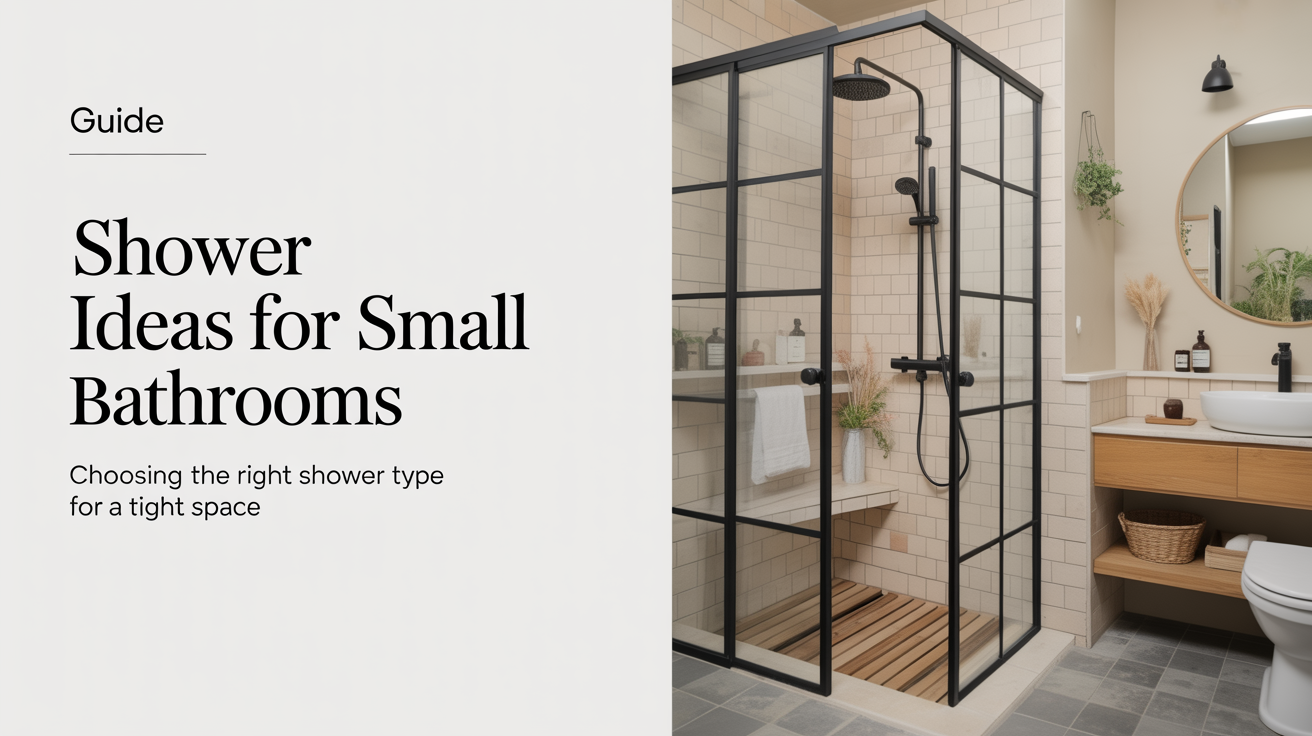
The first decision is shape and placement. Most small bathrooms fall into one of three footprints, and each one favors a different shower type.
Corner Showers
A corner shower small bathroom layout is the single most common solution for bathrooms under 50 square feet. The unit tucks into a corner and leaves the remaining floor open, which makes the room feel less boxed in than a tub-shower combo eating an entire wall.
Standard corner shower enclosures come in two footprint options:
- Square: 32x32 inches up to 36x36 inches. The 32-inch option fits tight spaces but is genuinely snug; 36 inches is worth choosing whenever the floor plan allows it.
- Neo-angle: A five-sided unit with the door set at 45 degrees. These range from 36x36 to 42x42 inches and can feel more open than the square footprint because the angled entry keeps the door clear of the toilet or vanity.
Both options work well with a tiled interior, a prefab acrylic base, or a custom tiled floor. If you go with a prefab pan, look for one with a built-in low threshold (1 inch or under) rather than a traditional 2-to-3-inch curb. It looks cleaner and is easier to step over.
Alcove Showers
An alcove shower sits between three walls and uses a curtain or door on the open fourth side. Most stock tub-shower combos are 60x30 inches, but when you remove the tub and reclaim that space as a stand-alone shower, you can often expand to a 36x60 or 42x60 footprint. That extra width makes a meaningful difference in usability.
The tradeoff is that an alcove shower asks for a full 5-foot wall of clearance. If your bathroom is a narrow galley, a corner unit may be a better fit. If the bath runs parallel to a longer wall, an alcove conversion is worth considering.
Doorless Walk-In Designs
A walk-in shower for a small bathroom sounds counterintuitive, but a properly planned curbless layout can actually make the room feel larger. Without a door or curtain breaking the sightline, the eye reads the floor as a continuous surface. This works best in bathrooms that are at least 5x8 feet, where you can dedicate a 36x48-inch shower zone and still leave enough floor space for the toilet and vanity.
The catch: the shower head placement and floor slope matter more in a doorless design. A linear drain along the back wall handles water efficiently, and a rainfall-style head keeps spray away from the open entry. The floor needs a 1/4-inch-per-foot slope toward the drain, which means the tile setter has to level carefully.
For more on how to arrange the rest of the room around a shower like this, see the best layouts for a small bathroom.
Comparing Small-Shower Footprints at a Glance
Each shower type trades off floor area, cost, and how much the room feels opened up. This is a rough starting point, not a substitute for measuring your actual room.
| Shower type | Typical footprint | Best bathroom shape | Rough install cost (fixture + basic labor) | Feels most open when |
|---|---|---|---|---|
| Corner (square) | 32x32 to 36x36 in. | Under 50 sq ft, boxy layout | $1,500-$3,500 | Paired with frameless glass |
| Corner (neo-angle) | 36x36 to 42x42 in. | Corner near toilet/vanity | $2,000-$4,000 | Angled door, light grout |
| Alcove conversion | 36x60 to 42x60 in. | 5-ft-wide wall available | $2,500-$5,500 | Tub removed, tile runs floor-to-wall |
| Doorless walk-in | 36x48 in. minimum | 5x8 ft or larger | $3,500-$7,000+ | Linear drain, large-format tile |
Costs vary widely by region, tile choice, and whether plumbing has to move; treat these as planning ranges, not quotes.
Tile and Glass Choices That Make a Small Shower Feel Bigger
The shower enclosure is where a lot of small bathrooms go wrong visually. Dark, heavily grouted tile in a compact space tends to look dense. A few adjustments shift that entirely.
Go Larger on the Tile
Large-format tile (12x24 inches or bigger) has fewer grout lines, which reads as cleaner and more open. A 12x24 tile set vertically on the shower walls draws the eye upward and makes a standard 8-foot ceiling feel taller. Mosaics (1x1 or 2x2 tiles) work well on the floor for traction but use them sparingly on the walls, where the extra grout lines close in the space.
Keep Grout Light
White or light gray grout does more for a small shower than most people expect. Match the grout color to the tile body rather than contrasting it, and the surface reads as one plane instead of a grid.
Use Glass Wherever Possible
A clear glass door or panel is one of the most effective small shower ideas there is. Frameless glass panels (3/8-inch tempered glass is standard; 1/2-inch is available for a heavier feel) eliminate the visual weight of a framed unit or an opaque curtain. If privacy is a concern, a rain-glass or lightly frosted panel gives coverage without blocking light entirely.
If budget is tight, a simple frameless pivot door on a corner enclosure is far less expensive than a full frameless surround and still opens up the space considerably. A pivot door on a single fixed panel typically runs $600 to $1,200 installed, compared with $1,800 to $3,500 for a full frameless surround with two or three panels.
Fixtures Worth Choosing Carefully
Fixtures scaled to a small shower are not just an aesthetic choice. An oversized showerhead or a valve trim plate that is too wide can make an already modest space feel cluttered.
Showerhead Options
For a 32-to-36-inch corner shower, a standard 4-to-5-inch round showerhead on an adjustable arm works well. A slide bar (typically 24 to 36 inches tall) lets you adjust height for different users without any additional plumbing.
For a larger 42x60 shower or a doorless walk-in, a ceiling-mounted rainfall head (8 to 12 inches in diameter) keeps spray centered over the drain and avoids water drifting toward the open entry. Pairing it with a handheld on a separate diverter is practical for rinsing and cleaning.
Flow rate is worth checking before you buy. The federal maximum is 2.5 gallons per minute (GPM), but showerheads carrying the EPA WaterSense label are independently tested to use no more than 2.0 GPM while still meeting spray-force and coverage standards, which matters in a small stall where every fixture choice is more visible. A WaterSense head is a reasonable default unless your household has unusually low water pressure to begin with.
Niche vs. Shelving
A recessed tile niche built into the shower wall is worth planning for during a remodel. A standard niche is 12 inches wide, 24 inches tall, and 3.5 inches deep (the depth of a standard wall cavity). Position it between 48 and 60 inches from the floor so products sit at a comfortable reach without bending.
Freestanding corner shelves and stick-on caddies are easier to install but tend to hold water and collect soap scum. A tiled niche is easier to clean and does not add visual clutter to a small space.
To keep the area under the vanity and outside the shower organized alongside this, small bathroom storage ideas that save space covers several options that work in tandem with a reworked shower layout.
Planning the Remodel: Measurements and Logistics
Before ordering anything, get these numbers on paper.
The absolute minimum interior shower dimension recognized by most building codes is 36x36 inches, though a handful of jurisdictions allow 30x30 inches for specific situations. Verify with your local building department, because even a prefab unit that is technically compliant may require a permit. For a useful outside reference point, the U.S. Access Board's accessible bathing room guidelines specify a 36x36-inch transfer shower and a 30x60-inch roll-in shower as standard accessible sizes. Those aren't your local residential code, but they're a good sanity check on whether a given footprint will actually feel workable for anyone in the household, not just an average-sized adult.
For the drain, confirm the rough-in location before selecting a base or planning a custom floor. Moving a drain even 6 inches can add significant cost if it requires cutting through a concrete slab. On a wood subfloor, a new drain location is more straightforward but still adds labor, typically $300 to $800 depending on access and whether the floor joists need any modification.
If you are removing a tub and converting to a shower-only space, check whether the existing vent stack is adequate. A shower and a tub share the same drain in many installations, and removing the tub changes how the vent needs to be configured. A licensed plumber can assess this in under an hour, and it's worth the trip charge before you order a shower pan sized for a footprint the vent can't actually support.
Wall prep matters as much as tile. Install cement board or another moisture-resistant substrate (such as foam tile-backer board) behind all tile surfaces, not just behind the wet walls. Many small bathroom renovations run into moisture problems because drywall was used in areas that looked dry but received enough splash to eventually degrade. Standard cement board thickness is 1/2 inch; foam backer boards run 1/2 to 5/8 inch depending on the brand.
For a broader look at how the shower fits into the overall room plan, small bathroom ideas to make it feel bigger walks through layout, color, and lighting choices that complement whatever shower configuration you choose.
Frequently Asked Questions
What is the minimum size for a small bathroom shower?
Most building codes set the minimum interior shower floor at 36x36 inches. Some jurisdictions permit 30x30 inches in specific circumstances, but a 36x36 unit is genuinely the smallest size most adults find usable for daily showering. A 36x48 or 36x60 footprint is noticeably more comfortable and is worth pursuing if your floor plan allows it.
Is a corner shower or a walk-in shower better for a small bathroom?
It depends on the room's shape. A corner shower is more space-efficient for bathrooms under 40 square feet because it keeps one full side of the room clear. A curbless walk-in design works better in a bathroom that is at least 5x8 feet, where a dedicated shower zone can be carved out without crowding the toilet and vanity.
Can I put a walk-in shower in a small bathroom without a door?
Yes, as long as the shower zone is at least 36 inches deep and the showerhead placement keeps spray contained. A linear drain along the back wall and a rainfall or angled showerhead are the two practical requirements. Without them, water tends to travel toward the open entry and onto the main bathroom floor.
What kind of tile makes a small shower look bigger?
Large-format tile (12x24 inches or larger) set vertically reduces grout lines and draws the eye upward, which opens up the space. Light colors and a grout shade that closely matches the tile body add to the effect. Clear or lightly frosted glass on the door or panel keeps the sightline unbroken and amplifies natural light.
Do I need a permit to replace a shower in a small bathroom?
In most jurisdictions, yes. Replacing a shower that involves moving or altering the drain, vent, or supply lines requires a plumbing permit. Some areas also require a building permit if the scope of work changes the wall layout. Cosmetic replacements (swapping a shower door, re-tiling over existing substrate, or replacing a showerhead) typically do not require permits, but the threshold varies. Contact your local building department before starting any work that touches plumbing.
How much does a small-bathroom shower remodel typically cost?
For a corner or alcove shower using a prefab base with tiled walls, expect roughly $3,000 to $7,000 including demolition, waterproofing, tile, glass, and fixtures. A fully custom tiled shower pan with a linear drain and large-format tile runs higher, often $6,000 to $12,000, because the mud-set floor and slope work take more skilled labor. Getting firm numbers means pulling at least two local quotes, since labor rates and permit fees vary a lot by region.